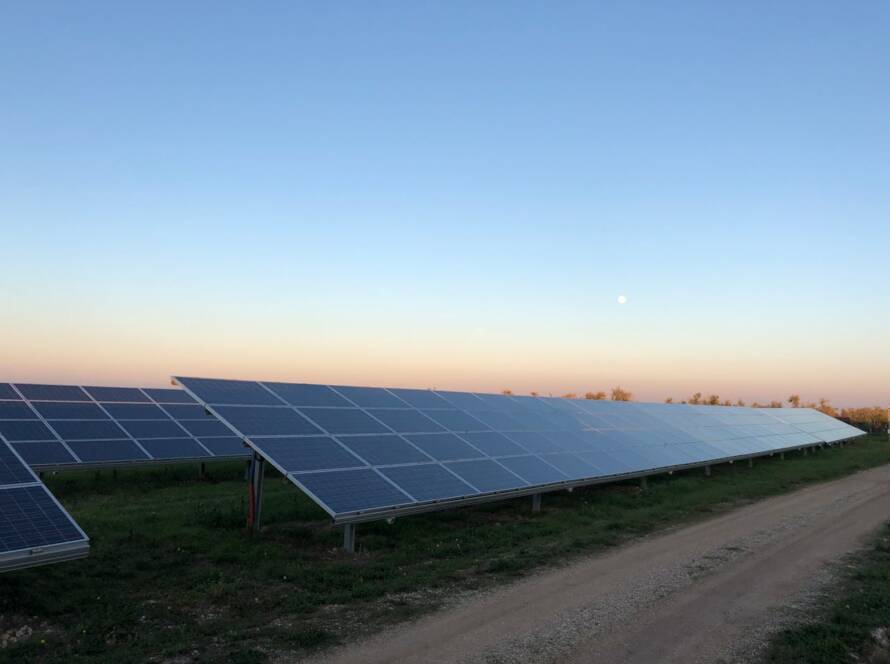
As sustainable development and environmental awareness grow, more businesses are turning to renewable energy sources like solar power to meet their energy needs. Solar energy offers numerous advantages, including reducing carbon footprints and delivering long-term cost savings. However, implementing solar energy systems involves significant costs and considerations. In this guide, we’ll examine the various expenses associated with solar energy for businesses and explore strategies for navigating them effectively.
Cost Breakdown
Here’s a breakdown of the key cost factors to consider when implementing solar energy for your business:
- Initial Investment Costs:
- This includes the upfront cost of solar panels, inverters, mounting hardware, and other necessary equipment.
- Factors influencing the cost: system size, complexity, local regulations, site conditions, and chosen technology.
- Government incentives, grants, and tax credits can help offset these costs.
- Operating and Maintenance Costs:
- While solar systems require minimal maintenance, there are ongoing operational expenses.
- Routine maintenance includes panel cleaning, electrical connection checks, and component replacements.
- Budgeting for maintenance ensures optimal system performance and longevity.
- Financing Options:
- Explore options like solar loans, power purchase agreements (PPAs), or leasing to mitigate upfront costs.
- Solar loans allow ownership after repayment, while PPAs and leases involve a third-party owner who maintains the system, with the business paying for generated electricity.
- These options can require minimal to no upfront capital.
- Return on Investment (ROI):
- Calculating ROI is crucial to assess the long-term financial benefits.
- Factors influencing ROI: energy savings, avoided utility costs, incentives, tax benefits, and system lifespan.
- Despite the initial investment, solar systems offer attractive ROI with savings realized over their 25-30 year lifespan.
- Energy Storage Costs:
- Energy storage like batteries enhances system reliability and resilience.
- Storage allows for excess solar energy use during peak demand or periods without sunlight.
- While adding to the cost, storage can provide additional savings by reducing peak demand charges and increasing energy independence.
- Regulatory and Permitting Costs:
- Businesses must navigate regulations and obtain permits before installation.
- Costs vary depending on location and project complexity.
- Hiring experienced professionals can streamline permitting and ensure compliance, minimizing delays and costs.
- Monitoring and Performance Analysis:
- A robust monitoring system is essential to track system output and efficiency.
- Investing in monitoring software and services allows for prompt identification and addressing of performance issues, maximizing energy production and ROI.
Conclusion
While there are various costs associated with implementing solar energy systems for businesses, the long-term benefits often outweigh the initial investment. By carefully considering these cost factors and financing options, businesses can effectively harness the power of solar energy to reduce operating costs, enhance sustainability efforts, and future-proof their operations against rising energy prices and environmental concerns.